Column · @thelockjournal
Lockout scenarios compared: when non destructive entry works best
Locked out? Your situation shapes the solution
Being locked out of a space you need to access is never convenient. Whether it is your car, your home office, or a storage cabinet at work, the moment you realise the door is closed and you have no key, the first question is always: how do I get back in without causing damage? That is where non destructive entry comes in. The approach a locksmith takes depends heavily on the type of lockout you are facing. A garage, a safe, and an office each present different hardware, different risks, and different priorities. Understanding those differences helps you know what to expect and why one method might be chosen over another.
The idea behind non destructive entry is simple: open the door without breaking the lock, the door frame, or the door itself. This saves you the cost and hassle of replacing hardware and often gets you inside faster. But not every lockout responds to the same technique. The lock cylinder, the deadbolt, the latch, and the door frame all play a role in determining which method a professional will use. And in some cases, the best way in might involve a small amount of carefully controlled damage to a cheap part rather than a risky attempt at preserving everything.
Garage lockouts: tension, springs, and side doors
A garage lockout usually means one of two things: either the main overhead door will not open, or the service door (the walk-in door) is locked and you have no key. Each requires a different approach.
For a walk-in door, the situation is similar to a standard house lockout. A locksmith can typically pick the lock, use a bypass tool on the latch, or drill the lock cylinder if picking fails. The goal is to preserve the existing hardware so you can reuse it with a replacement key or have it re-keyed. Since most walk-in doors use a basic deadbolt or keyed entry knob, non destructive entry is usually straightforward.
The overhead door is a different matter. If the opener fails or the power is out, the release cord might be inaccessible because the door is closed. A professional may need to reach the emergency release through a small gap at the top of the door using a tool designed for that purpose. This method does not damage the door or the track, but it requires skill and the right tool. In some cases, if the door is jammed or the springs are broken, non destructive entry is not possible because the door cannot be moved safely until the spring tension is relieved. That job belongs to a garage door technician, not a locksmith.
When you are locked out of a garage, the condition of the door hardware matters. Old or rusted latches may not respond to picking, and a broken spring makes the door dangerous to force. A good locksmith will assess these factors before deciding on a method.
Safe lockouts: high security and delicate mechanisms
Safe lockouts are the most complex of the three scenarios because the safe is designed to resist entry. Non destructive entry on a safe requires a deep understanding of the specific lock mechanism. Electronic safes, combination dial safes, and key-operated safes each have their own vulnerabilities and strengths.
For a key-operated safe, the lock cylinder may be picked or manipulated open if the safe is a lower-security model. Higher-end safes use restricted keyways and anti-pick pins that make picking impractical. In those cases, a locksmith might use a process called manipulation: listening to the internal clicks of the wheels as the dial is turned, slowly working out the combination. This takes time and patience but leaves the safe fully intact.
Electronic safes can sometimes be opened by bypassing the keypad or using a backup key override. If the keypad has failed, a professional may connect directly to the solenoid or motor inside the safe to trigger the lock release. This is delicate work that requires knowledge of the safe's internal electronics. Attempting it without experience can damage the circuit board.
If manipulation or electronic bypass fails, the last resort is drilling a small hole in a specific spot to access the lock mechanism. That hole can later be plugged and patched, leaving the safe functional. Drilling is technically destructive, but it is precise and limited, and it still preserves the safe's overall integrity. A professional will only drill after exhausting other options.
Safe lockouts also involve a verification step. Because a safe often holds valuables, a locksmith will ask for proof of residence or ownership before starting work. This is standard practice and protects both you and the technician.
Office lockouts: shared spaces and access systems
Office lockouts bring a different set of challenges. Commercial doors are built to withstand heavy use and are often part of a larger access control system. A standard keyed lock on an office door might be a grade-one deadbolt or a key-in-knob lockset. These are generally pickable, but the real complexity comes from electronic access systems.
If you are locked out of an office that uses a keycard or fob system, and the system has lost power or the credential is not working, a locksmith can sometimes bypass the electronic lock by using a mechanical override. Many electronic locks have a key cylinder hidden behind a cover. A professional can remove the cover and pick the cylinder, or simply use the override key if one is available.
Another common office lockout scenario is a jammed latch. Commercial doors often have heavy latches that can stick if the door frame shifts or the weather changes. In that case, non destructive entry might involve adjusting the latch alignment or lubricating the mechanism rather than picking the lock. A locksmith can often fix the alignment issue on the spot, saving you from a repeat lockout.
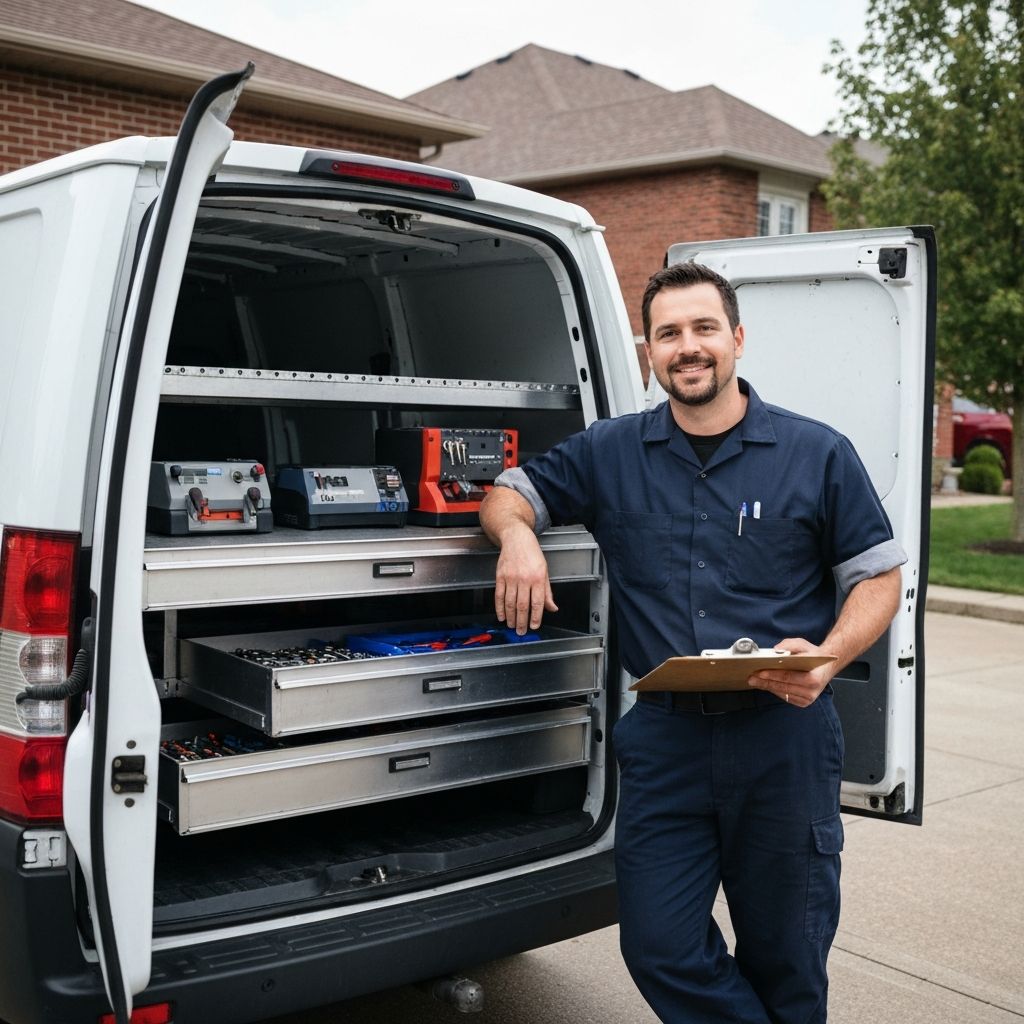
Office environments also have security considerations. Multiple people may have keys or codes, and the locksmith will need to verify that you are authorised to enter. This can slow things down, but it is necessary to prevent unauthorised access. Once inside, the technician can help you re-key the lock or update the access code so that old keys no longer work.
What all three have in common
No matter the scenario, non destructive entry starts with an assessment. The locksmith looks at the lock brand, the condition of the hardware, and the type of door frame. A deadbolt that is fully extended into a reinforced strike plate is harder to bypass than a simple latch. A lock cylinder that is badly worn may not pick cleanly. And a door frame that is rotted or damaged may not hold a new lock even if the old one is opened.
The locksmith also considers your preferences. If you want to keep the existing lock and simply get a replacement key, picking or manipulation is the way to go. If you are okay with replacing the lock cylinder, drilling it out might be faster and equally effective. The choice depends on the time available, the value of the hardware, and your comfort level with the outcome.
One thing that applies across garages, safes, and offices is the value of calling a professional early. Many people try to force a door open with a screwdriver or a coat hanger, which often damages the latch or the door frame. That damage can turn a simple lockout into a repair job. A quick call for mobile help for locked doors can save you both time and money.
When non destructive entry is not possible
There are limits to what non destructive entry can achieve. If a deadbolt is frozen due to rust or corrosion, picking may not work. If a safe's combination lock has broken internally, manipulation is pointless. And if an office door has a high-security lock with a restricted keyway, the only options are drilling or calling the manufacturer for a replacement key.
In those cases, a locksmith will explain the situation and recommend the least damaging way forward. That might mean drilling the lock cylinder and replacing it with a new one. It might mean cutting a safe open with a grinder, which is fully destructive but sometimes the only option. The key is that the decision is made with your consent, and the work is done in a way that minimises collateral damage.
Knowing when to drill and when to walk away is a mark of experience. A professional who understands lock mechanics can often find a path that a less experienced person would miss.
Choosing the right help
When you are locked out, the type of help you need depends on the specifics. A garage walk-in door lockout is usually a quick fix. A safe lockout demands patience and specialised tools. An office lockout may involve electronic systems that require a different skill set.
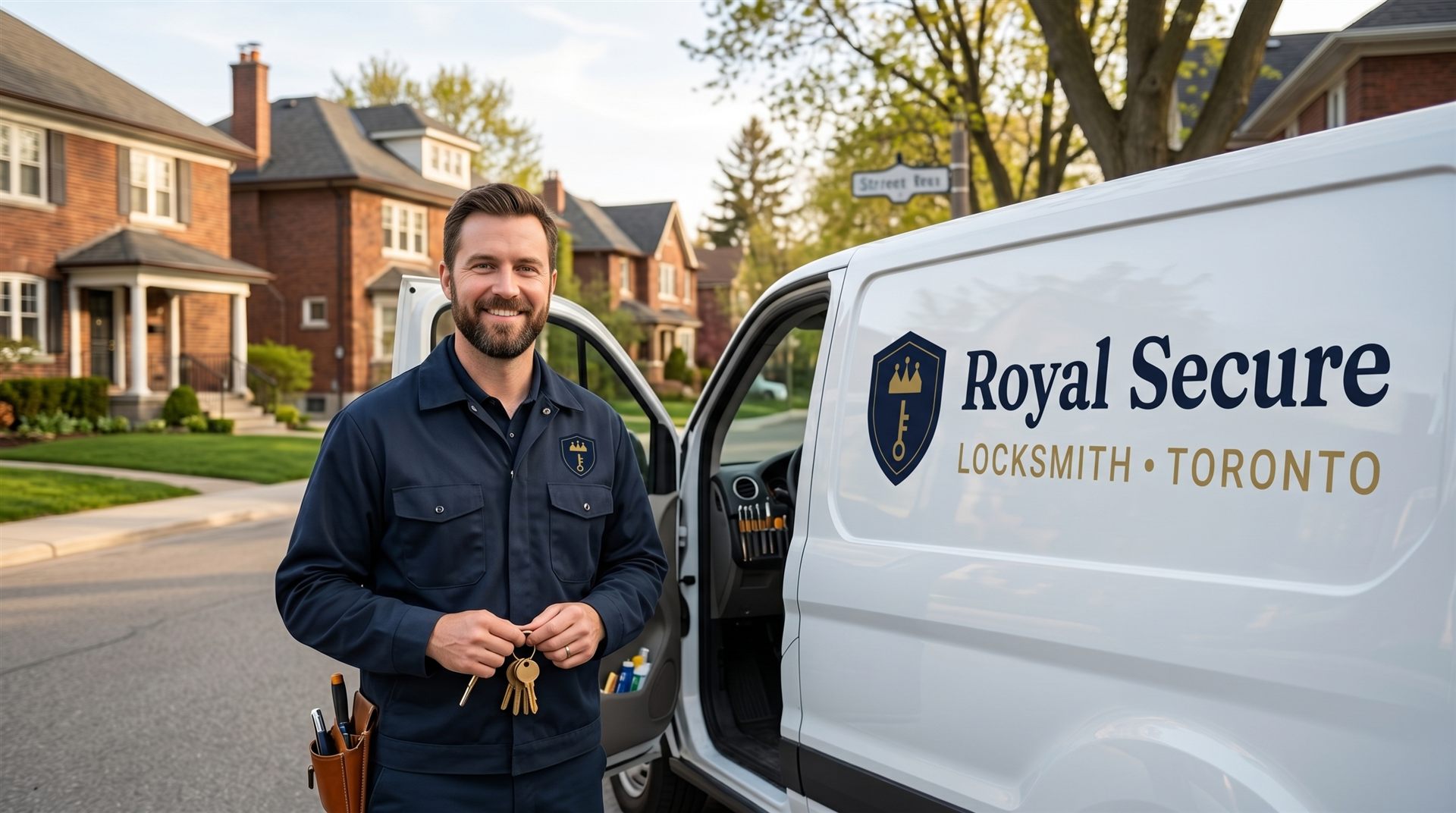
Before calling, try to have the following information ready: the type of lock (keyed, electronic, combination), the brand if you know it, and whether the door is part of a larger access system. This helps the technician bring the right tools and set the right expectations. Mobile help for locked doors is available across the GTA, and a good locksmith will ask these questions to prepare before arriving.
Keep in mind that proof of residence or ownership is standard for safe and office lockouts. Having a piece of mail with your address, a lease agreement, or a business card with your name on it can speed things up. For a garage lockout, proof may not be required if the garage is attached to your home and you can show that you live there.
Lockouts are frustrating, but the right approach makes them manageable. Understanding the differences between a garage, a safe, and an office lockout helps you know what to expect and why the solution varies. Non destructive entry works in most cases, and when it does not, a professional will guide you to the next best option. The goal is always to get you back inside with as little hassle and as few repairs as possible.